If you are researching VFX courses in Nagpur, fees are probably one of your top concerns. The range of pricing can be confusing, some institutes charge ₹30,000 while others charge ₹3,00,000 for what seems like a similar course. This guide explains what VFX courses actually cost in Nagpur, what factors affect pricing, and how to evaluate whether a course is worth the investment.
What Does VFX Cover?
Before discussing fees, it is important to understand what you are paying for. VFX (Visual Effects) is the process of creating and manipulating imagery outside the context of a live-action shot. If you are still deciding between animation and VFX as a career, our animation vs VFX career comparison can help you choose. A comprehensive VFX course covers several specialisations:
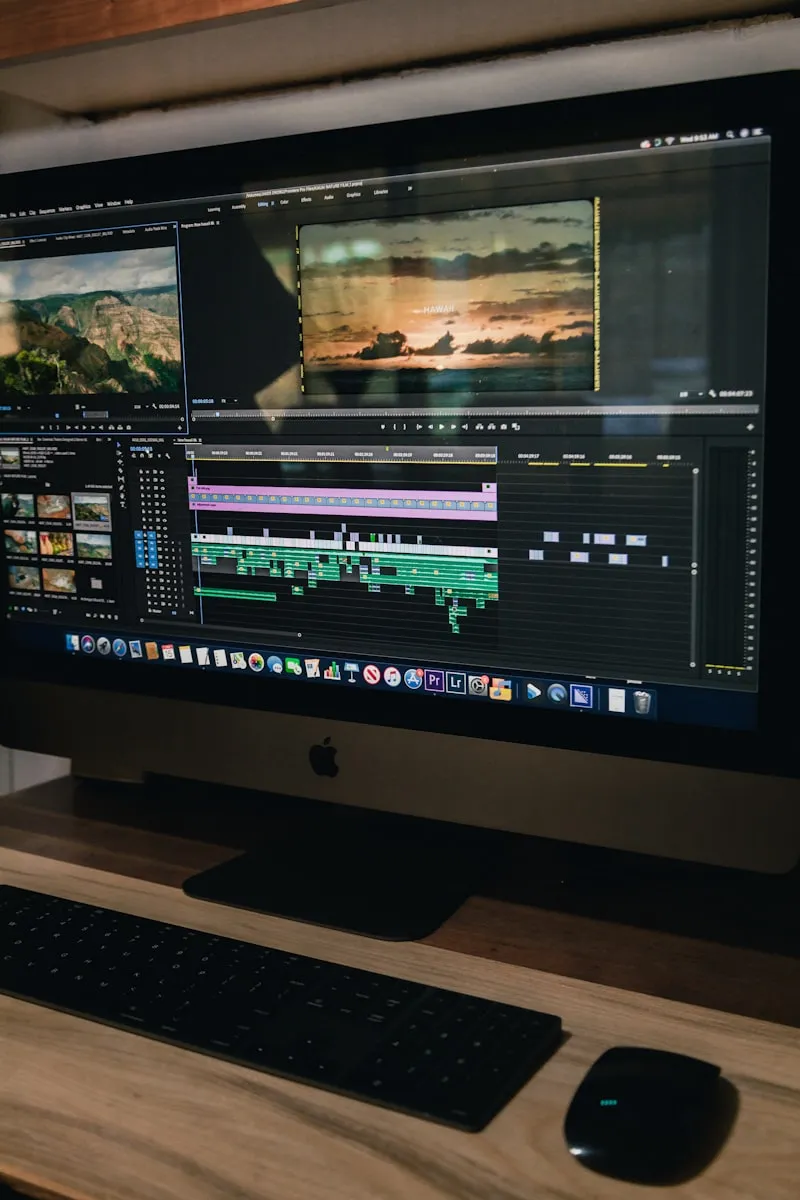
Compositing is the art of combining multiple visual elements into a single image or sequence. This is the backbone of VFX work, think of removing green screens, adding explosions, or placing actors in environments that do not exist. Tools like Nuke and After Effects are used here.
Rotoscoping involves tracing over footage frame by frame to create mattes or masks for compositing. It is detail-intensive work that is essential for clean VFX shots.
3D Tracking (or matchmoving) is the process of extracting camera movement data from live footage so that 3D elements can be placed accurately into the scene.
CGI Integration covers adding computer-generated elements (characters, environments, objects) into live-action footage seamlessly.
Colour grading and finishing involve the final look of the visual output, ensuring consistency across shots and achieving the desired mood.
How Much Does a VFX Course Cost in Nagpur?
VFX course fees in Nagpur vary significantly based on duration, depth of curriculum, software covered, and the institute's infrastructure. Here is a realistic breakdown:
| Duration | Fee Range | What's Covered | Best For |
|---|---|---|---|
| Short-term (2-3 months) | ₹25,000 - 60,000 | Basics of compositing, After Effects, intro to Nuke | Good for testing interest, not sufficient for professional work |
| Medium-term (6 months) | ₹60,000 - 1,20,000 | Compositing, rotoscoping, 3D tracking, colour grading | Good balance of depth and duration for most students |
| Comprehensive (9-12 months) | ₹1,00,000 - 2,00,000 | Full VFX pipeline including CGI, advanced Nuke, portfolio projects | Best for serious career pursuers |
| Diploma/Advanced (12-18 months) | ₹1,50,000 - 3,00,000 | Complete VFX + 3D animation pipeline with placement support | Maximum employability on graduation |
What Affects VFX Course Pricing?
Understanding what drives the cost helps you make a smarter choice:
Duration is the most obvious factor. Longer courses cost more but cover more ground. A 3-month course will teach you basics, but a 9-12 month course will make you employable.
Software licensing matters. Courses that provide licensed copies of professional software like Nuke (which costs over ₹4,00,000 for a commercial license) will naturally cost more. Make sure your course uses genuine licensed software, not pirated copies.
Faculty quality is a significant differentiator. Institutes with instructors who have actual industry experience (worked at studios, on real projects) charge more, and rightfully so. Learning from someone who has done the work is invaluable compared to learning from someone who has only taught.
Infrastructure, workstation quality, render farm access, and lab availability, directly affects your learning experience. VFX requires powerful hardware. If an institute is running Nuke on low-end machines, your learning experience will suffer regardless of the curriculum. For hardware recommendations, see our guide on best laptops for VFX work.
Placement support varies greatly. Some institutes simply teach and leave you to find work. Others actively connect students with studios, maintain placement partnerships, and provide portfolio reviews.

Is VFX Hard to Learn?
VFX has a steeper learning curve than our graphic design course in Nagpur or basic video editing course in Nagpur, but it is not inaccessible. The difficulty lies in the technical precision required, VFX work needs to be seamless, meaning your compositing and tracking must be pixel-perfect.
With a structured course and consistent practice, most students become comfortable with the core tools within 3-4 months. Mastery takes longer, but employable competence is achievable within a 6-12 month programme.
The key is practice. Students who spend time outside class hours experimenting and working on personal projects progress significantly faster than those who only work during scheduled lab time.
ROI: Is the Investment Worth It?
Let us do the maths. If you invest ₹1,00,000 in a 6-month VFX course and land an entry-level job at ₹3.5 LPA (approximately ₹29,000 per month), you recover your investment in under 4 months of working.
VFX professionals with 2-3 years of experience typically earn ₹6-10 LPA. Senior compositors and VFX supervisors at major studios earn ₹12-25 LPA. For a broader look at creative industry earnings, read about animation career prospects in India. The ROI compounds significantly over time.
Compare this to a traditional degree programme that costs ₹3-6 lakhs over 3-4 years and may not provide the practical skills studios actually need. A focused VFX course offers a much faster return on investment.
How to Choose the Right VFX Course
When evaluating VFX courses in Nagpur, ask these specific questions:
- Which software is covered? You need at minimum: Nuke (or Nuke X), After Effects, and a 3D tracking tool.
- Do instructors have industry experience? Ask for their portfolio or IMDB credits.
- What will my portfolio look like on completion? Ask to see previous student work.
- What are the lab hours? VFX requires extensive practice time on powerful machines.
- What placement support is provided? Ask for placement statistics and studio partnerships.
Ready to Get Started?
Visual Arts Academy's VFX course in Nagpur covers the complete VFX pipeline using industry-standard software. For students who want to go deeper into 3D effects, our 3D/VFX specialization course in Nagpur builds on this foundation with advanced techniques. Students interested in applying VFX skills to interactive media should also explore our game art course in Nagpur. Our instructors have real studio experience, and our curriculum focuses on building a portfolio that gets you hired. Contact us for detailed fee information and batch schedules.