Video content has become the dominant form of communication online. From YouTube channels and Instagram Reels to corporate presentations and OTT web series, every piece of video you watch has been through an editor's hands. If you are in Nagpur and considering a career in video editing, this guide covers everything you need to know, what you will learn, what software you need to master, and what career opportunities are waiting on the other side.
Why Video Editing Is Booming in 2026
The numbers tell a clear story. India has over 800 million internet users, and video consumption accounts for the largest share of online activity. YouTube alone has over 460 million users in India. Add Instagram Reels, company promotional content, OTT platforms like Netflix and Hotstar, and news media, the demand for video editors has never been higher.
This is not a temporary trend. Businesses across every industry, from real estate agents showcasing properties to restaurants creating social media content, now need video editing services. The market for video editors extends far beyond the entertainment industry.
For students in Nagpur, this growth represents a significant opportunity. You do not need to relocate to Mumbai to build a career in video editing. Many editors work remotely for clients across India and internationally, and local businesses in Nagpur increasingly need video content for their marketing.
What Software Do Video Editors Use?
A professional video editing course should cover the industry-standard tools that employers and clients expect you to know. Here are the key software programmes you should learn:
| Software | What It Does & Why You Need It |
|---|---|
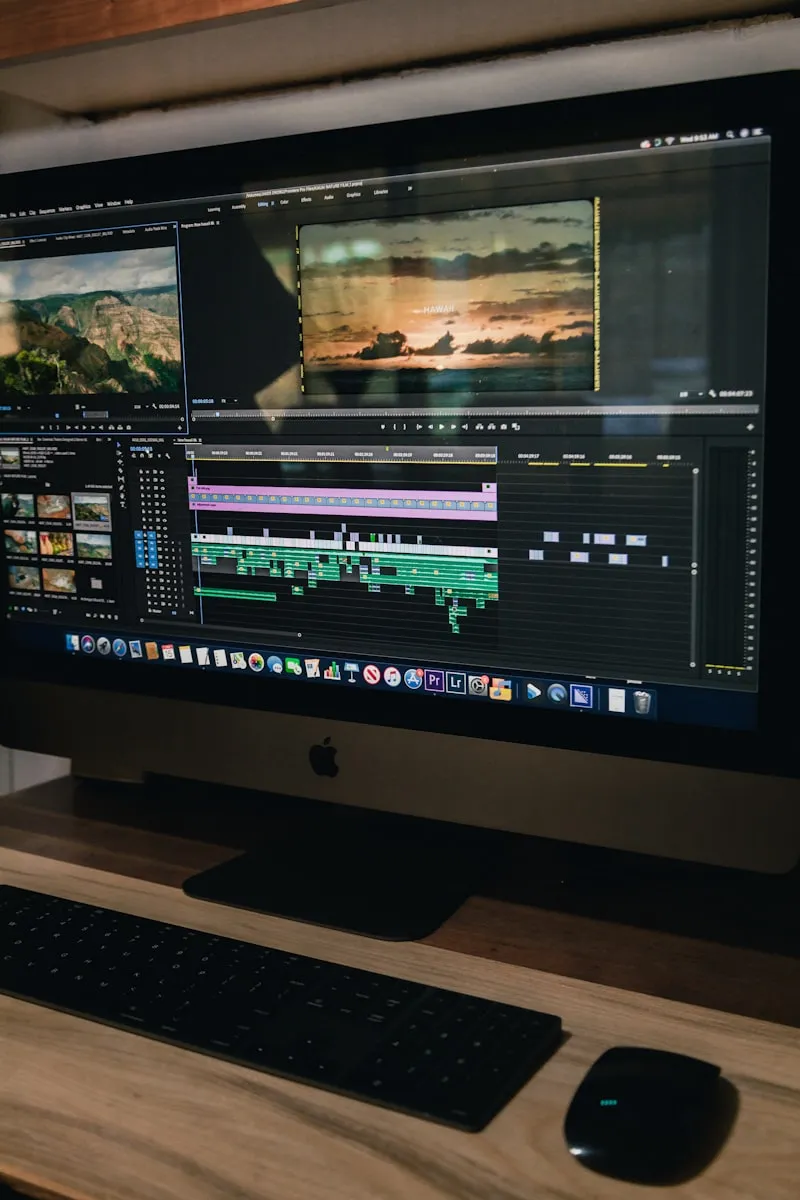
| Adobe Premiere Pro | The industry standard for video editing across film, TV, YouTube, and corporate content. If you learn only one tool, this should be it. |
| Adobe After Effects | Essential for motion graphics, visual effects, title sequences, and animated elements within videos. Pairs perfectly with Premiere Pro. |
| DaVinci Resolve | Industry-leading colour grading tool that also offers professional editing, audio mixing, and VFX capabilities. Used by Hollywood colourists. |
| Final Cut Pro | Apple's professional editing software, popular among YouTube creators and Mac-based studios. Good to know but not essential if you learn Premiere. |
| Adobe Audition | Audio editing and mixing tool for cleaning up dialogue, adding music, and perfecting sound design in your videos. |
A comprehensive video editing course will focus primarily on Premiere Pro and After Effects, with exposure to DaVinci Resolve for colour grading. These three tools cover 90% of what professional video editors need in their daily work. If you are also investing in hardware, see our recommendations for best laptops for editing students.
Is Video Editing in Demand?
Extremely. Here is where video editors are finding work in 2026:
YouTube content creation is a massive employer. India has thousands of YouTube channels with 100K+ subscribers, and each one needs consistent editing. Many YouTubers hire dedicated editors, paying ₹15,000-40,000 per month depending on complexity and volume.
Corporate video production is another growing area. Companies need training videos, product demos, event coverage, and internal communications, all requiring skilled editors.
The wedding and event industry in India is worth billions, and video editing is a core part of this market. Wedding videographers charge ₹50,000-3,00,000 per event, with a significant portion of that going to editing.
OTT platforms and digital media companies are constantly producing content, creating full-time positions for editors at various levels.
Finally, social media management agencies need editors who can produce short-form content (Reels, Shorts, TikTok-style videos) quickly and consistently.
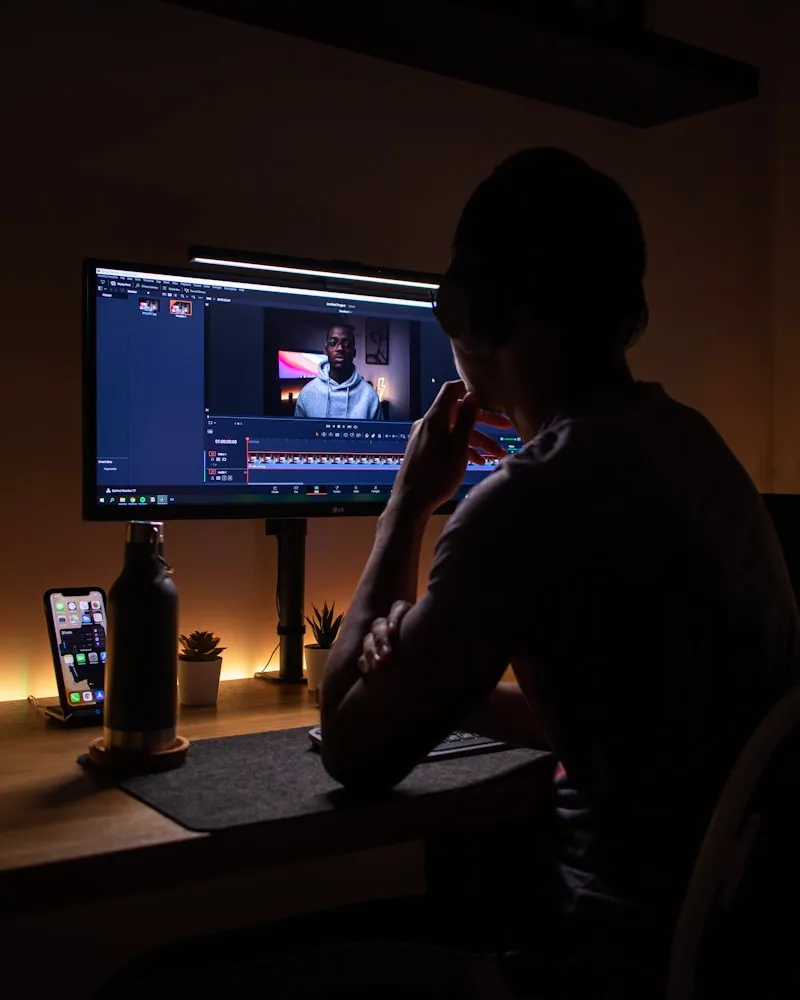
How Long Does It Take to Learn Video Editing?
The basics of video editing, cutting, trimming, adding music, basic transitions, can be learned in 2-4 weeks. However, becoming a professional-level editor who can handle colour grading, sound design, motion graphics, and complex storytelling takes 4-6 months of structured learning and practice.
A professional course compresses this timeline significantly compared to self-learning. With expert guidance, structured projects, and feedback, you can reach a job-ready level much faster than trying to learn from scattered YouTube tutorials.
The real learning, however, continues on the job. Every project teaches you something new, and the best editors are constantly improving their skills and staying current with new techniques and tools. Check out our guide on how to build your editing portfolio to start showcasing your work early.
Career Paths After Learning Video Editing
Video editing opens doors to multiple career directions:
- YouTube/Social Media Editor: Work with content creators, managing their editing pipeline. Salary: ₹3-7 LPA.
- Corporate Video Editor: Produce training materials, promotional videos, and event coverage for companies. Salary: ₹3.5-8 LPA.
- Film/Documentary Editor: Work in narrative storytelling, cutting feature films, short films, and documentaries. Salary: ₹4-12 LPA. Pairing editing with our VFX course in Nagpur opens doors to post-production supervisor roles.
- Animation Editor: Edit animated content for studios and OTT platforms, combining timeline skills with an understanding of animation pipelines, our animation course in Nagpur covers the production side of this work.
- Motion Graphics Artist: Combine video editing with animation to create dynamic visual content. Salary: ₹4-10 LPA. Our motion graphics course in Nagpur is built around exactly this hybrid skill set.
- Freelance Video Editor: Set your own rates and work with multiple clients. Earning potential: ₹30,000-1,50,000+ per month.
- Wedding/Event Videographer: Shoot and edit event coverage. Per-event earnings: ₹15,000-75,000.
Freelance Potential for Video Editors
Video editing is one of the most freelance-friendly creative skills. The work is project-based by nature, and clients care about output quality, not where you sit. From Nagpur, you can serve clients in Mumbai, Dubai, or New York.
Starting out, freelance editors typically charge ₹1,000-3,000 per video for simple YouTube edits. As you build a reputation, rates can increase to ₹5,000-15,000 per video. Editors who specialise in high-end content (brand films, ads, documentaries) charge ₹20,000-50,000+ per project.
Many successful video editors combine a part-time job with freelance work, gradually transitioning to full-time freelancing as their client base grows. For a deeper look at this choice, read our freelance vs full-time career paths guide.
Ready to Get Started?
Visual Arts Academy's video editing course in Nagpur teaches you Premiere Pro, After Effects, and DaVinci Resolve through hands-on projects. You will edit real videos, learn colour grading and sound design, and build a professional showreel that gets you hired. Contact us to learn about our next batch and fee structure.